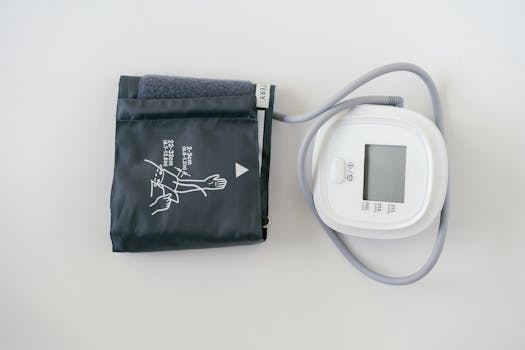
When a medical device fails, the consequences can range from minor inconvenience to catastrophic injury, even death. While we often assume these life-saving or life-improving technologies are infallible, the reality is far more complex. The journey from patient harm to accountability involves intricate legal and scientific hurdles, making the expertise of a defective medical devices attorney not merely beneficial, but often indispensable. But what truly sets apart a seasoned advocate in this specialized field? It’s about dissecting the chain of causation, understanding the regulatory labyrinth, and championing the rights of those who have been betrayed by innovation.
The Silent Betrayal: When Medical Devices Fail Us
Imagine undergoing a vital surgery, only to have the implant meant to restore your health become the source of ongoing pain and further complications. This isn’t a rare occurrence. From faulty hip implants and defective pacemakers to contaminated surgical mesh and malfunctioning insulin pumps, a broad spectrum of medical devices can harbor design flaws, manufacturing defects, or inadequate warnings. The human cost is immense: prolonged recovery periods, additional surgeries, chronic pain, permanent disability, and in the most tragic cases, loss of life.
These aren’t simply mechanical failures; they are breaches of trust. Patients rely on medical professionals and the devices they employ for healing, not for further harm. When this trust is broken due to a faulty product, the path to redress can feel daunting. This is precisely where the specialized knowledge of a defective medical devices attorney becomes paramount. They act as the crucial bridge between the victim’s suffering and the manufacturer’s legal responsibility.
Deconstructing the Defect: A Multifaceted Legal Challenge
Identifying and proving a defect in a medical device is rarely a straightforward process. It requires a deep dive into several critical areas, often necessitating collaboration with leading scientific and medical experts.
#### Design Defects: The Blueprint for Failure
A design defect occurs when the inherent blueprint of a medical device is flawed, making it unreasonably dangerous even when manufactured according to specifications. This could involve materials that are prone to breaking, a mechanism that is prone to jamming, or a component that is incompatible with the human body. Proving a design defect often involves demonstrating that a safer alternative design was feasible and that the manufacturer failed to adopt it. It’s about arguing that the product, as conceived, was inherently dangerous.
#### Manufacturing Defects: The Flaw in Production
In contrast, a manufacturing defect arises from an error during the production process. This means the device itself, while designed soundly, was not made according to its intended design. Examples include using impure materials, improper assembly, or contamination during the manufacturing stage. These defects often affect only a subset of the product line, making it challenging to pinpoint the exact cause without meticulous investigation. It’s like finding a single faulty bolt in an otherwise perfectly engineered machine.
#### Marketing Defects (Failure to Warn): The Unspoken Risk
Perhaps one of the most common and insidious types of defects involves inadequate warnings or instructions. Manufacturers have a legal duty to inform users and healthcare providers about any known risks or potential side effects associated with their devices. A defective medical devices attorney will scrutinize the labeling, advertisements, and accompanying literature to determine if potential dangers were downplayed, omitted, or communicated in a way that was unclear or misleading. This can involve hidden side effects, improper usage instructions, or a failure to disclose long-term risks.
The Role of the Specialized Attorney: More Than Just Legal Counsel
A general personal injury lawyer might handle a car accident case, but the intricacies of medical device litigation demand a different caliber of expertise. A true defective medical devices attorney possesses a unique skill set honed through experience in this demanding legal arena.
Scientific and Medical Acumen: They must be able to grasp complex medical and engineering concepts. This often involves understanding the specific function of the device, the patient’s medical condition, and the biological impact of the alleged defect. They frequently work with biomedical engineers, toxicologists, and medical specialists to interpret evidence and build a compelling case.
Regulatory Navigation: Medical devices are heavily regulated by bodies like the FDA. Understanding these regulations, the approval processes, and potential post-market surveillance issues is crucial. A seasoned attorney can leverage this knowledge to identify potential lapses in compliance by the manufacturer.
Aggressive Investigation: Gathering evidence is paramount. This includes obtaining medical records, device explantation reports, manufacturer internal documents, and expert opinions. It’s a meticulous, often protracted, investigative process.
Class Action and MDL Expertise: Many defective medical device cases are consolidated into Multi-District Litigations (MDLs) or class-action lawsuits due to the sheer volume of affected individuals. Navigating these complex procedural structures requires specialized experience and the ability to advocate effectively on behalf of a large group.
Negotiation and Litigation Prowess: Whether negotiating a settlement or presenting a case in court, a defective medical devices attorney must be a skilled advocate, capable of clearly articulating complex technical arguments to judges and juries.
Proving Causation: The Critical Link
Ultimately, the most significant hurdle in any defective medical device claim is proving causation. This means establishing a direct link between the defect in the device and the plaintiff’s injuries. It’s not enough to show a device failed; you must demonstrate how that failure directly led to the harm suffered. This often involves dissecting the patient’s medical history, the device’s performance, and the expert opinions to construct a clear narrative of cause and effect. In my experience, this is where the meticulous work of a dedicated legal team truly shines, transforming a tragic incident into a demonstrable legal claim.
Beyond Compensation: Ensuring Accountability and Safer Future Devices
While compensation for medical expenses, lost wages, and pain and suffering is a primary objective, the work of a defective medical devices attorney extends further. By holding manufacturers accountable for their negligence, these attorneys play a vital role in incentivizing greater safety and quality control within the medical device industry. Their efforts contribute to the development and use of safer technologies, ultimately benefiting future patients. It’s about more than just righting a past wrong; it’s about fostering a safer healthcare landscape for everyone.
The Imperative of Specialized Advocacy
Navigating the treacherous waters of defective medical device litigation requires a guide with a compass calibrated for this specific terrain. The complexities of design, manufacturing, and marketing defects, coupled with the rigorous demands of proving causation and understanding regulatory frameworks, necessitate the focused expertise of a dedicated defective medical devices attorney*. Their analytical rigor, scientific understanding, and unwavering commitment to client advocacy are the cornerstones upon which justice is built in these profoundly impactful cases. If you or a loved one has suffered due to a faulty medical device, understanding the critical role of such specialized counsel is the first, vital step toward seeking the recourse you deserve.